Rosé in Italy: A Personal Journey Through Terroir, Taste & Slow Living 🌸🍷

Rosé isn’t just a summer fling. In Italy, it’s a quietly complex category of wine that deserves more attention—both from travelers and from wine lovers curious to go beyond the usual reds and whites.
For me, discovering rosato wines (Italian rosé) has been personal. It’s intertwined with my slow travels through the Italian countryside, my search for authenticity in every glass, and my commitment to spotlighting regional gems most tourists miss.
This post is both a love letter to rosé and a mini-guide to help you drink—and travel—more intentionally.
What Makes Italian Rosé Different?
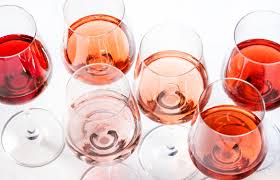
Let’s start by debunking a myth: Italian rosé is not one thing. From the pale pinks of Chiaretto in the north to the vibrant cerasuolos of the south, every glass is deeply tied to terroir—the unique environment and traditions that shape a wine.
Here are a few standout styles:
-
Cerasuolo d’Abruzzo (Abruzzo): Bold in both color and flavor. Made from Montepulciano grapes, this rosato is robust, with notes of sour cherry, wild berries, and herbs. It’s structured enough to pair with food—and just funky enough to win over red wine devotees. Learn more via Wine Enthusiast’s guide to Cerasuolo.
-
Chiaretto (Lake Garda, Veneto/Lombardy): Light, crisp, and floral, Chiaretto is often called Italy’s answer to Provence rosé—but it’s more than a copycat. It has a minerality that mirrors the lake itself. This Chiaretto profile breaks it down beautifully.
-
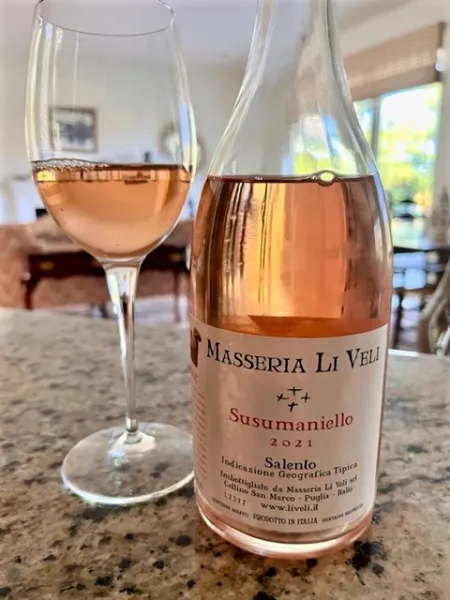
Rosato di Salice Salentino (Puglia): Made from Negroamaro, this southern beauty is fuller-bodied with red fruit and spice. It’s dry but ripe, perfect with grilled vegetables or fresh burrata.
-
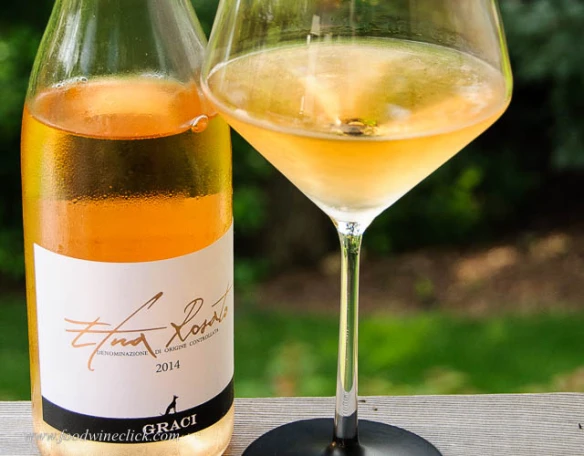
Etna Rosato (Sicily): High-altitude vineyards on Mount Etna produce fresh, mineral-driven rosatos with bright acidity. A must-try for anyone who loves volcanic terroir. Read about Etna’s emerging rosé scene.
Rosé Beyond Summer
In Italy, wine is seasonal, but not in the way we might think. Rosé isn’t just for patio sipping in July—it’s a versatile wine that adapts beautifully to autumn dishes, spring vegetables, and even winter stews (yes, really—try a Cerasuolo with lentils or roasted squash!).
One reason? Many Italian rosati are made from grapes typically used for structured reds—Montepulciano, Negroamaro, Nerello Mascalese—so the result is a wine with body, acidity, and complexity.
That’s why I recommend rosé all year round in my travel designs. It’s also why I often encourage my clients to go rosato when dining locally in places like Abruzzo, Calabria, and Puglia.
A Personal Note on Taste & Time
Years ago, when I first tasted a chilled glass of rosato from a tiny vineyard in Calabria, something clicked. It wasn’t just about the wine—it was about the pace. The vineyard owner had poured it slowly. Lunch stretched for hours. We tasted the land, the season, the sun. That’s what slow travel is all about. Rosé became a symbol of that shift for me: softer edges, brighter days, unexpected depth.
Now, when I recommend wines to my travelers—especially those staying in countryside villas or agriturismi—I always include a few favorite rosati. It sparks conversation, curiosity, and deeper connection with the regions they’re visiting.
What to Look For When Ordering Rosé in Italy 🇮🇹
If you’re planning a trip, or simply want to drink like you’re in Italy:
-
Ask for “vino rosato” or “rosato locale.” Local is always best.
-
Avoid places where rosé is only offered by the bottle and with French names—it’s probably for tourists.
-
Look at the grape: Montepulciano, Negroamaro, Nerello Mascalese, and Corvina are great signs.
-
Don’t be afraid of darker rosé! In Italy, it often means more flavor.
Want to Taste It for Yourself?
If this sounds like your kind of journey—where wine is woven into culture, conversation, and cuisine—consider one of my custom-designed slow travel itineraries. I work directly with winemakers (not tour companies!) to craft experiences that are personal, authentic, and unforgettable.
🍷 Explore wine-focused itineraries →
Or, if you’re not planning travel yet, browse my Rosato Wine Favorites to try at home. I’m always happy to offer pairing tips or help you source bottles from smaller Italian producers. And remember: the best rosé isn’t just about what’s in the glass—it’s about where and how you drink it. 🇮🇹✨
Further Reading & Resources